Section 06 · about
What this notebook is, and isn't.
A mechanism notebook on the sermorelin record — drawn, cited, and unaffiliated with any vendor, clinic, or compounding pharmacy.
What Sermorelin MD is
Sermorelin MD is a mechanism notebook for the GHRH-analog class — a friendly, cited walk through what the peer-reviewed sermorelin studies found, with the biology drawn out step by step rather than asserted. Here 'MD' is short for the mechanism diagrams the site is built around, not a doctor on call: no clinic, no prescriptions, no dosing guidance, and no one on staff to hand out medical advice. The notebook explains published science and sources every figure; it sells nothing and supplies nothing, and any real medical decision belongs with a licensed professional.
The MD in our wordmark is short for mechanism diagrams — every page on this site is a hand-drawn, citation-anchored reading of one part of the published sermorelin record. The notebook conceit is editorial framing, not a claim about credentials or services. We are readers of the literature, organizing what is there for other readers.
What we publish
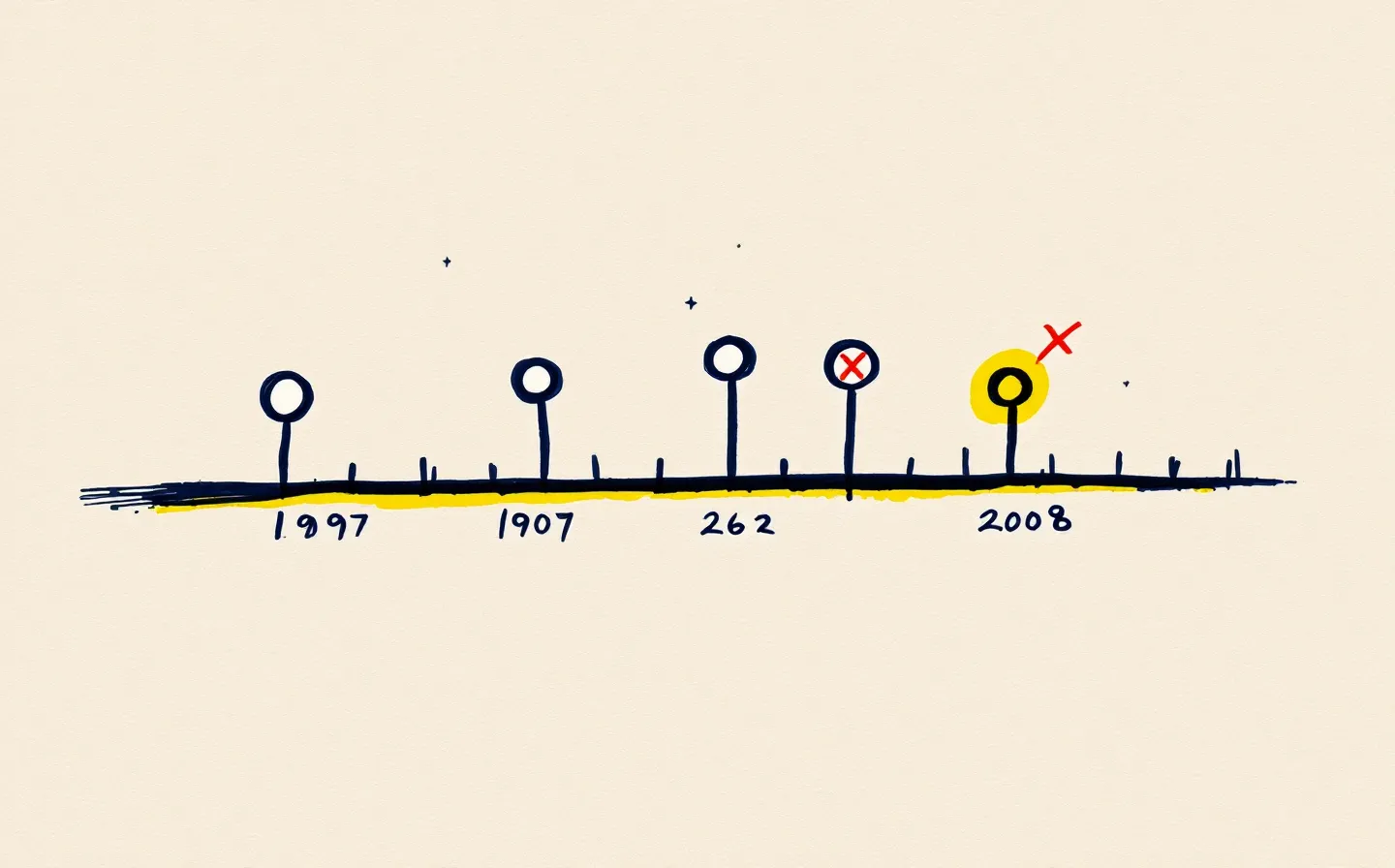
Each page on this site reads a specific slice of the sermorelin record: mechanism at the GHRH receptor, the 1996 pediatric trial that earned FDA approval as Geref, the Khorram aging study, the Baker cognitive trial, the Koutkia HIV-lipodystrophy RCT, the tesamorelin class evidence, the Frohman pharmacokinetic foundation, the 2008 commercial withdrawal, the WADA prohibition, and the USP-framework reconstitution and stability literature. Where the published evidence is strong we say so. Where it is thin we say that, too — long-term cardiovascular, neoplasia, and mortality outcome data for chronic GHRH-analog use in adults are sparse, and we do not paper over that.
Editorial standards
We cite peer-reviewed primary sources (PubMed, PMC, JAMA, Lancet HIV, Journal of Clinical Endocrinology & Metabolism, Archives of Neurology, Reviews in Endocrine and Metabolic Disorders), the FDA accessdata archive for original regulatory documents, the WADA Prohibited List for anti-doping classification, and the USP-NF for compounding-pharmacy framework material. We do not cite supplement marketing, social-media posts, or aggregator articles.
Where a claim is anchored in animal-model data only, we say 'in rodent models' or 'in vitro' — never 'studies show' without qualification. Where a claim depends on a small trial or a single arm of a multi-arm study, we name the trial, the population, and the n. We do not recommend doses for use in humans. We describe doses that were administered in published research.
What we are not
We are not a telehealth company. We are not a compounding pharmacy. We are not a research peptide vendor. We do not sell sermorelin, we do not refer readers to vendors, and we are not affiliated with any manufacturer, distributor, or prescribing service. We do not link to other sites that sell sermorelin or related peptides. The domain modifier in our name — MD — is editorial framing, not a credential or a claim about services. We have no clinical staff, no clinical facility, and no clinical relationships with readers.
What this is, in plain terms
Everything on this site is a cited reading of the published record. Sermorelin is a peptide compound with no current FDA-approved finished drug presentation in the US — the original Geref product was voluntarily withdrawn from commercial US production in 2008, for commercial rather than safety reasons [12]. Patient access to compounded sermorelin starts with assessment by a licensed prescriber, who can withhold a prescription; 503A pharmacies and registered 503B outsourcing facilities have distinct preparation rules, and their compounded medicines have no FDA drug approval. This site does not sell, dispense, or source any product, and it is not affiliated with any vendor, clinic, or compounding pharmacy. It is a reading notebook for the published science.